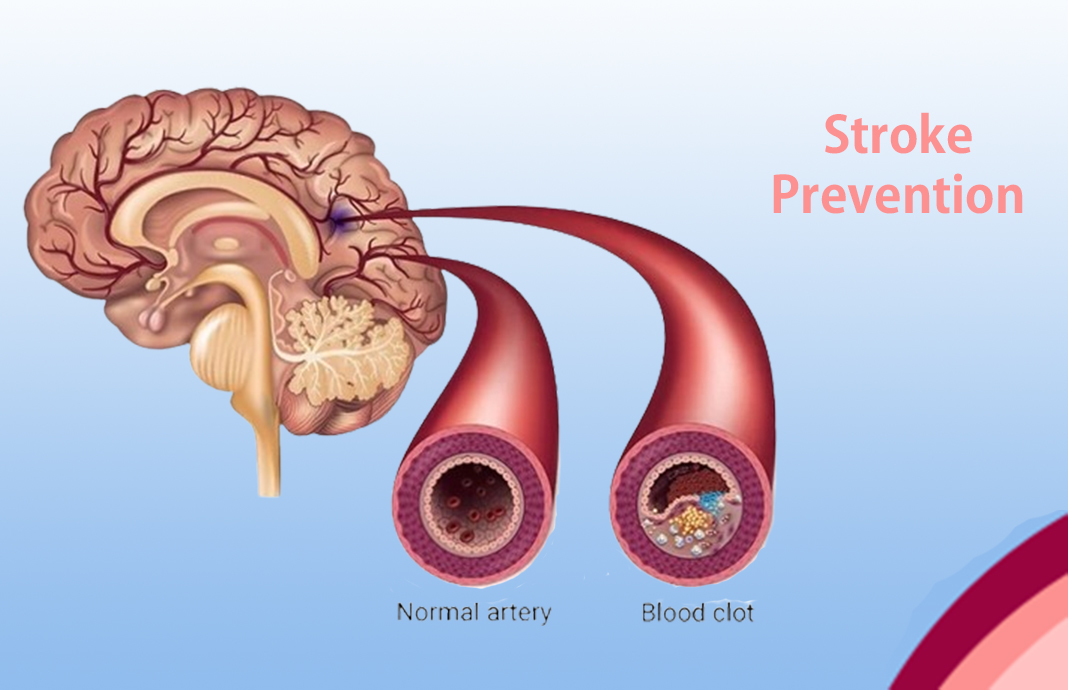
Carotid artery surgery is surgery to restore blood flow to the brain. It is a treatment for carotid artery disease and can help prevent a stroke. Carotid artery surgery involves removing plaque buildup from the carotid arteries.
Carotid artery disease, also called carotid artery stenosis, is a narrowing of the carotid arteries. There are two carotid arteries, one on each side of the neck. They are major arteries that carry blood from the heart to the brain. Carotid artery disease is caused by atherosclerosis, commonly called hardening of the arteries. Atherosclerosis is a buildup of plaque. Plaque is a sticky, waxy deposit of fats, cholesterol, calcium, and fibrous material. This causes reduction in the blood flow to the brain or can sometime throw a clot into the brain. This leads to damage to the nerve cells of the brain resulting in stroke. Patients with diabetes, usage of tobacco, high blood pressure, high cholesterol, heart disease , family history of stroke and stress are more prone to develop stroke
SYMPTOMS OF STROKE
- Slurring of speech
- Deviation of mouth
- Weakness of upper or lower limbs
- Sudden loss of vision which recovers immediately
- Rarely giddiness
A transient ischemic attack (TIA) is a stroke that comes and goes quickly. It happens when the blood supply to part of the brain stops briefly. Symptoms of a TIA are like other stroke symptoms, but do not last as long. They happen suddenly, and include
- numbness or weakness, especially on one side of the body
- confusion or trouble speaking or understanding speech
- trouble seeing in one or both eyes
- loss of balance or coordination
Most symptoms of a TIA disappear within an hour, although they may last for up to 24 hours. This is to be taken as a warning mini stroke.
INVESTIGATIONS
Presence of block in the carotid artery can be easily detected by a Doppler study. This can indicate the degree of block and help to decide about need for surgery. MRI or CT Angiogram is done to look for any damage to the brain ( Infarct)and to get a road map of the artery which helps to plan treatment.
TREATMENT
Patients with TIA can be managed with good medical treatment. Medical treatment includes blood thinners, anticholesterol medications, good control of diabetes , hypertension and strict abstinence from tobacco . Anti coagulants may also be given. If the carotid artery in the neck is significantly narrowed carotid intervention is required.
The Types of Carotid Artery Surgery Procedures Include:
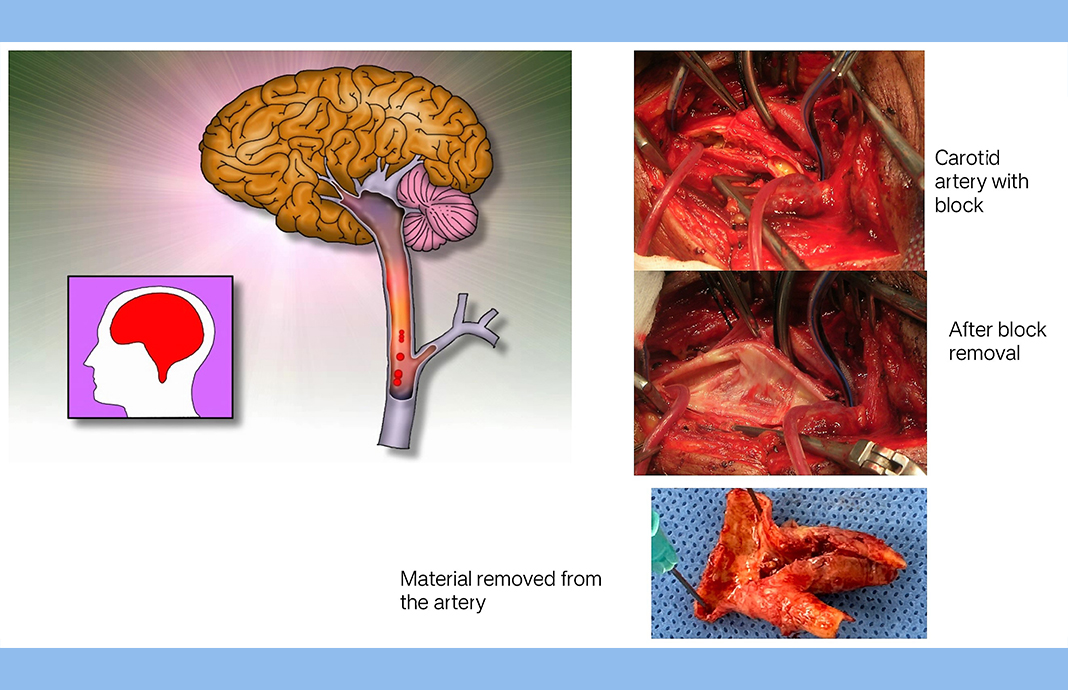
Carotid endarterectomy involves opening the carotid arteries in the neck and removing the inner lining that is diseased or damaged by plaque. A temporary shunt is introduced to maintain the brain circulation while the block is being removed. The shunt is removed after the artery is cleaned, A patch graft may be placed to help widen the artery and improve the blood flow.
Carotid artery angioplasty and stenting is an option for patients who are not fit for surgery. In this the block is dilated by a balloon and then a stent is placed to keep the artery open. A temporary filter is placed to prevent any loose plaque material from moving inside the brain during the stenting.
Carotid endarterectomy has shown better results than stenting and is advised as the first choice for all patients with symptomatic carotid blocks unless there are specific contraindications for surgery.